Delta Force: The Elite Unit Of The United States Army - Hostage rescue missions are among the most high-profile operations undertaken by the Delta Force. Their ability to execute precise and swift actions has saved countless lives in situations where time is of the essence. The unit's success in these missions is a testament to their training and dedication. The Delta Force has been involved in numerous successful operations that have had a significant impact on global security. From the capture of high-profile targets to the prevention of large-scale terrorist attacks, their accomplishments are a testament to their effectiveness. These successes have earned them respect and admiration from both military and civilian communities.
Hostage rescue missions are among the most high-profile operations undertaken by the Delta Force. Their ability to execute precise and swift actions has saved countless lives in situations where time is of the essence. The unit's success in these missions is a testament to their training and dedication.
Throughout its history, the Delta Force has been involved in numerous significant operations that have shaped global security. From the ill-fated Operation Eagle Claw in 1980 to the successful rescue missions in the 21st century, the unit has continually evolved to meet the demands of modern warfare. Their adaptability and effectiveness have solidified their status as a premier special operations force.
Joining the Delta Force is not for the faint-hearted. Candidates must be members of the U.S. Army, typically with prior experience in special operations. The selection process is grueling, testing not only physical endurance but also mental resilience and tactical skills. Only a select few make it through this rigorous evaluation.

The presence of the Delta Force has a deterrent effect on potential adversaries, knowing that they face a highly skilled and well-equipped opponent. Their ability to conduct operations in hostile environments and achieve their objectives with minimal collateral damage has set a standard for special operations worldwide.
The concept of the Delta Force was born out of the need for a specialized unit capable of handling complex and high-risk operations. In the 1970s, the rise of international terrorism prompted the U.S. military to create a force that could respond effectively to such threats. Colonel Charles Beckwith, inspired by the British Special Air Service (SAS), spearheaded the creation of the Delta Force. Officially activated in 1977, the unit quickly became a cornerstone of U.S. special operations.
The Delta Force operates under the Joint Special Operations Command (JSOC), which oversees all special operations forces in the U.S. military. This organizational structure allows for seamless coordination and integration with other units, enhancing the effectiveness of their missions. The command structure is highly decentralized, giving operators on the ground the autonomy needed to make critical decisions quickly.
Despite their success, the Delta Force faces numerous challenges in their operations. The inherent risks of working in hostile environments, combined with the ever-evolving nature of threats, require constant adaptation and innovation. Ensuring the safety of operators while achieving mission objectives is a delicate balance that the unit must maintain.
We invite you to engage with this content by sharing your thoughts and insights in the comments section below. Your feedback helps us improve and provide more valuable information. Additionally, explore other articles on our site to deepen your understanding of military operations and global security issues.
Technology plays a crucial role in the success of Delta Force operations. From drones providing real-time intelligence to advanced encryption systems securing communications, the integration of cutting-edge technology enhances their operational capabilities. This technological advantage is a key factor in their ability to outmaneuver adversaries.
The Delta Force, officially known as 1st Special Forces Operational Detachment-Delta (1st SFOD-D), stands as one of the most elite and secretive military units in the world. This highly trained group plays a pivotal role in executing critical missions, often under the radar, to safeguard national security. Their reputation as the best of the best has earned them a place in both military history and popular culture.
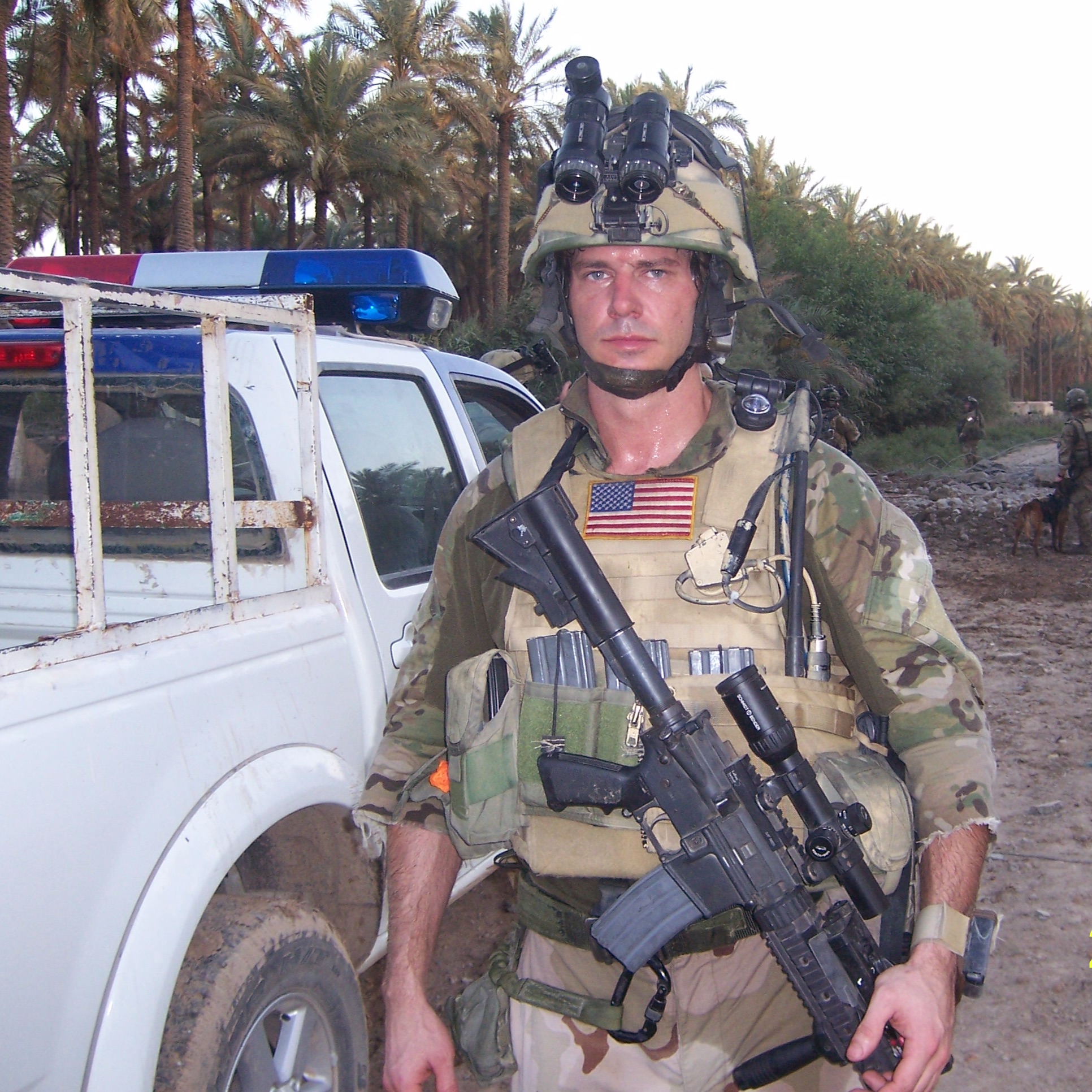
The Delta Force is equipped with the latest in military technology, ensuring they have the tools needed to succeed in their missions. This includes state-of-the-art firearms, night vision devices, and communication equipment. The unit also utilizes specialized vehicles and aircraft, allowing them to deploy rapidly and effectively.
Once selected, operators undergo an intensive training regimen designed to prepare them for the most challenging missions. This includes advanced marksmanship, close-quarters combat, and specialized skills such as free-fall parachuting and urban warfare. The training emphasizes teamwork, problem-solving, and adaptability, ensuring that each operator is capable of performing under any circumstances.